By Steve Orme
November 10, 2026
Sloped terrains, uneven backyards, and shifting hillsides present some of the most frustrating challenges a homeowner can face. Left unmanaged, gravity and water runoff gradually strip away topsoil, undermine foundations, and leave yards functionally unusable. Installing a retaining barrier tames these grades, carving out flat, usable spaces for gardens, entertaining areas, or driveways. Yet, a wall built merely to hold back soil often looks utilitarian and harsh, while one built purely for visual appeal risks catastrophic collapse under the sheer weight of saturated earth. Achieving both goals requires harmonizing landscape architecture with precise geotechnical engineering. Homeowners seeking lasting value consistently turn to professional retaining wall services to balance these dual objectives seamlessly.
Designing for Beauty: Harmonizing Materials With Landscape Architecture
The visual success of any landscape structure depends on how naturally it integrates into its surrounding environment. An effective wall should never look like an afterthought dropped arbitrarily onto a lawn; it should feel like an organic extension of the home’s architecture. Selecting compatible textures and colors establishes immediate continuity. A rustic craftsman home might pair best with rugged, irregular fieldstone, while a sleek, modern exterior calls for the crisp, linear profiles of smooth segmental masonry.
Geometry also plays a decisive role in shaping the atmosphere of the yard. Long, perfectly straight runs convey a formal, contemporary aesthetic, but they can sometimes feel imposing if built too high. Introducing subtle curves, serpentine layouts, or terraced levels softens hard boundary lines, leading the eye naturally across the yard.
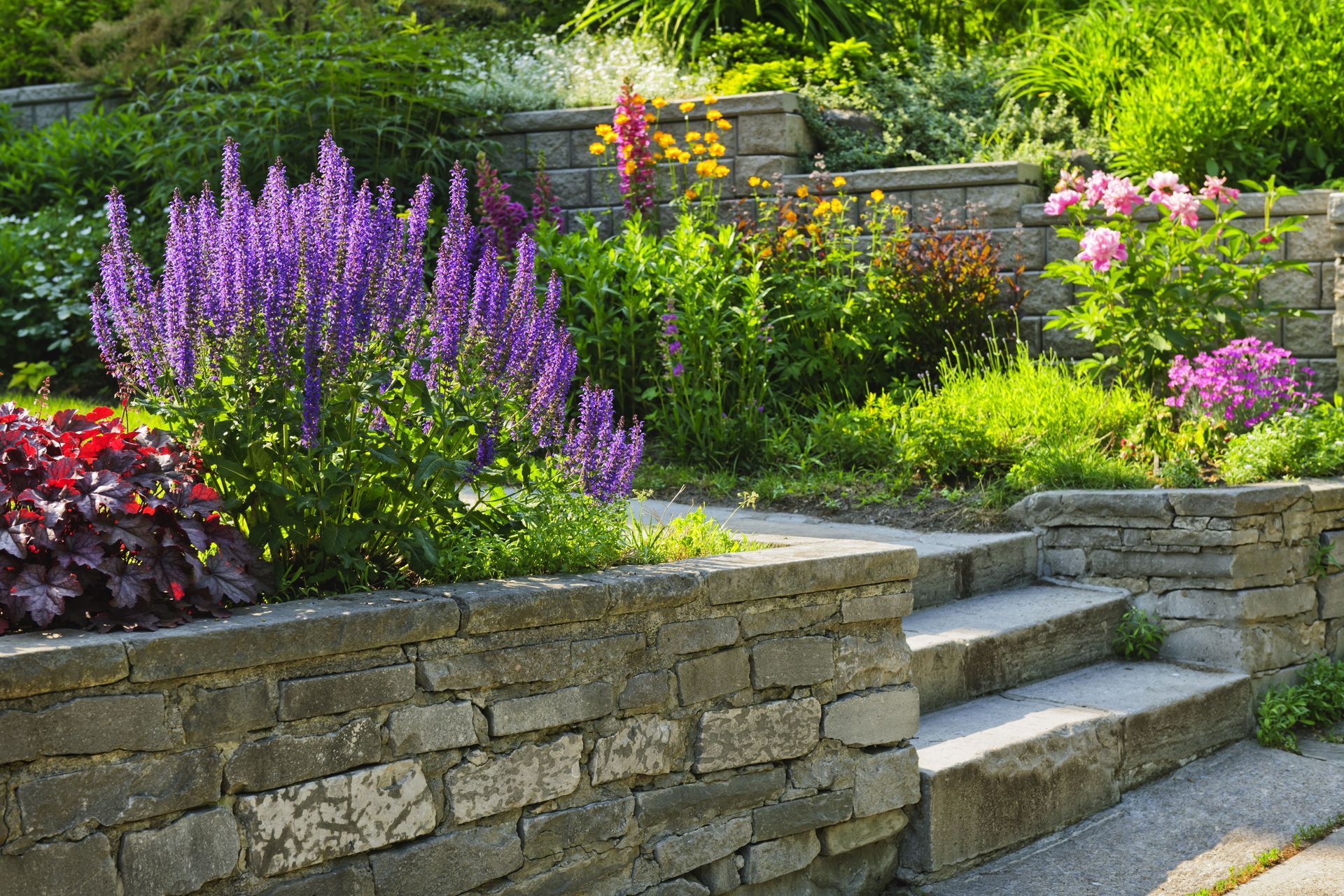
Integrating softscaping directly into the hardscape further enhances visual charm. Incorporating built-in planter pockets, terraced garden tiers, and cascading groundcovers—such as creeping thyme, trailing rosemary, or vibrant phlox—drapes living color over solid stone. When experienced retaining wall services design a layout, they evaluate natural slopes and surrounding plant life to ensure the new wall complements the existing terrain rather than clashing with it.
Planning for Longevity: Engineering Foundations and Soil Mechanics
Beneath every stunning stone exterior lies a complex system designed to withstand tremendous physical forces. Retaining walls must resist lateral earth pressure, which is the horizontal force exerted by soil pushing outward against the structure. When ground freezes, thaws, or absorbs heavy rainfall, this lateral pressure multiplies dramatically. Without proper foundation preparation, even the heaviest stone blocks will shift, tilt, or buckle over time.
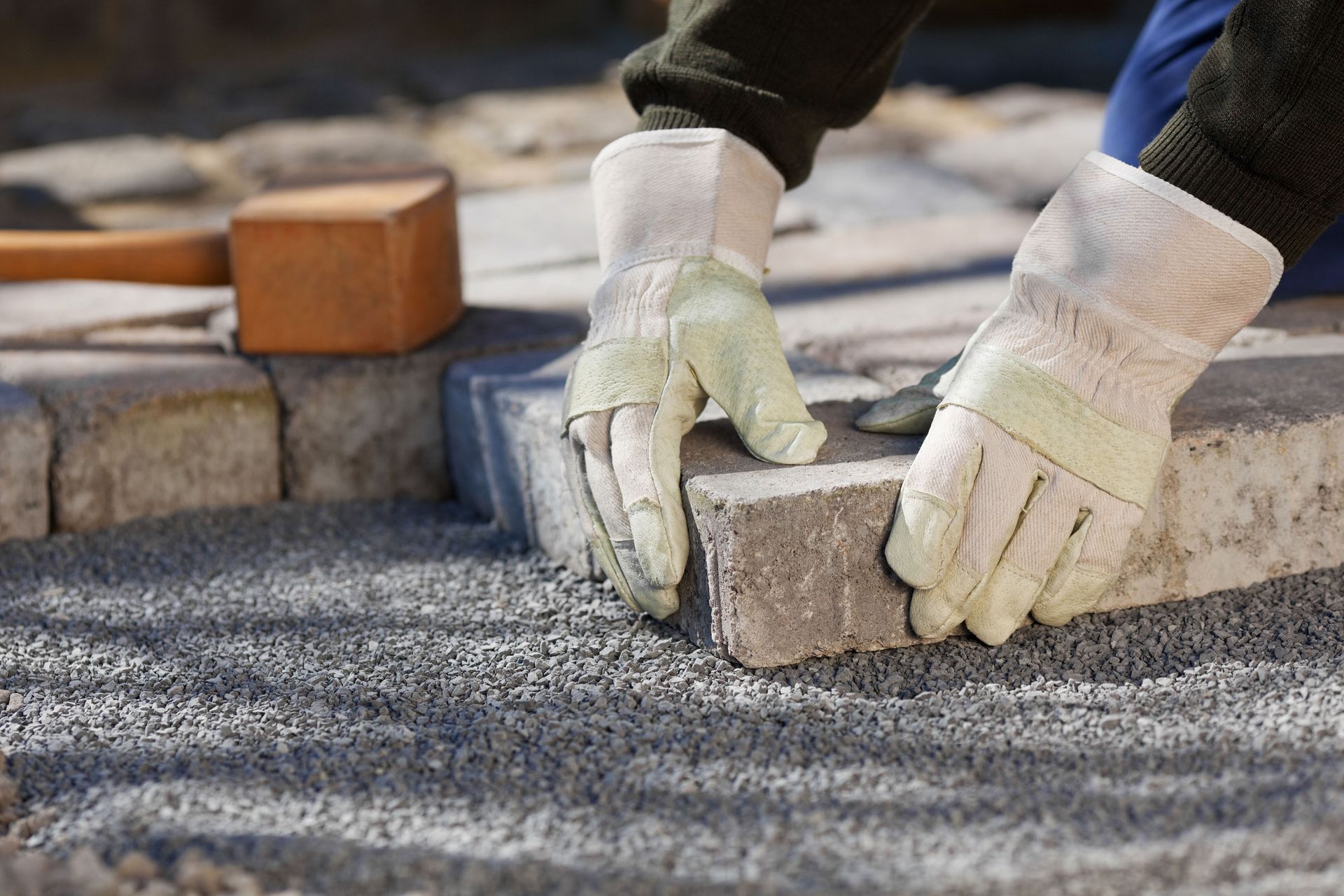
Structural integrity begins well below ground level. Builders must excavate a deep trench and install a tightly compacted sub-base of non-frost-susceptible crushed gravel. This base distributes weight evenly and prevents uneven settling caused by freeze-thaw cycles.
As walls rise in height, basic stacking is no longer sufficient to guarantee safety. According to LawnStarter, retaining walls taller than four feet and concrete structures generally call for reinforcement, which includes installing steel rebar or adding material within the foundation base. Reinforcing elements, alongside structural geogrid fabric laid horizontally into the soil behind the wall face, anchor the construction securely into the hill. Relying on professional retaining wall services guarantees that footing depths, reinforcement schedules, and soil-bearing capacities strictly follow regional building codes.
Managing Water Flow: Mitigating Hydrostatic Pressure and Erosion
Water is the single greatest threat to hardscape longevity. When rain soaks into a hillside, moisture collects behind the wall face, generating hydrostatic pressure. Wet soil weighs significantly more than dry soil, and trapped water creates an expanding wedge that easily pushes masonry forward, leading to bulging faces, cracked joints, and eventual collapse.
Preventing hydrostatic buildup requires dedicated drainage pathways designed to divert moisture before pressure accumulates. Directly behind the retaining barrier, contractors backfill with angular, clean, washed stone or gravel rather than replacing the native excavated dirt. This gravel pocket allows water to filter downward rapidly by gravity rather than pushing outward against the blocks.
At the bottom of this gravel backfill, a perforated drain pipe—often enveloped in a permeable geotextile sock to prevent silt clogging—channels accumulated water safely around or through the structure. In addition, small weep holes drilled or left open along the bottom row of masonry provide relief vents for incidental moisture. Expert retaining wall services prioritize sub-surface drainage planning, ensuring hidden hydraulic forces never compromise the visible structure above.
Selecting Building Blocks: Balancing Durability with Textural Appeal
Choosing the right structural material dictates both the lifespan of the installation and its everyday visual impact. Modern landscape design offers diverse building options, each presenting distinct physical capabilities and design possibilities:
- Segmental Concrete Blocks (SRWs): Engineered interlocking concrete blocks represent one of the most reliable, cost-effective options available. Manufactured with textured split-faces, integrated locking pins, and varied color blends, these systems deliver uniform strength while mimicking quarry-cut stone.
- Natural Stone Masonry: From rustic fieldstone and granite to clean-cut limestone, natural stone delivers timeless elegance. Whether assembled using traditional dry-stack techniques or set with structural mortar, genuine stone offers unmatched durability and organic charm.
- Poured Concrete with Decorative Veneers: Poured-in-place reinforced concrete delivers the ultimate resistance against immense lateral pressures on steep hillsides. To eliminate a sterile industrial look, builders cover the visible concrete face with manufactured stone veneers, brick tiles, or carved architectural plaster.
Matching the material to site-specific conditions prevents premature degradation. Specialized retaining wall services evaluate climate factors, such as freeze-thaw frequency and soil acidity, guiding property owners toward resilient materials that perform reliably year after year.
Installing Modern Accents: Blending Illumination and Multi-Functional Features
A well-constructed wall can serve purposes far beyond simply holding back earth; thoughtful design details transform it into a functional destination for outdoor living. Introducing built-in lifestyle elements elevates an ordinary structure into an inviting focal point for gathering, resting, and entertaining.
Lighting is one of the most impactful upgrades available for exterior stone. Concealing low-voltage LED strip lights beneath projecting coping stones casts a warm, downward wash across the wall’s textured face. Recessed fixtures set into access stairs or low garden walls enhance evening safety while accentuating masonry craftsmanship after dark.
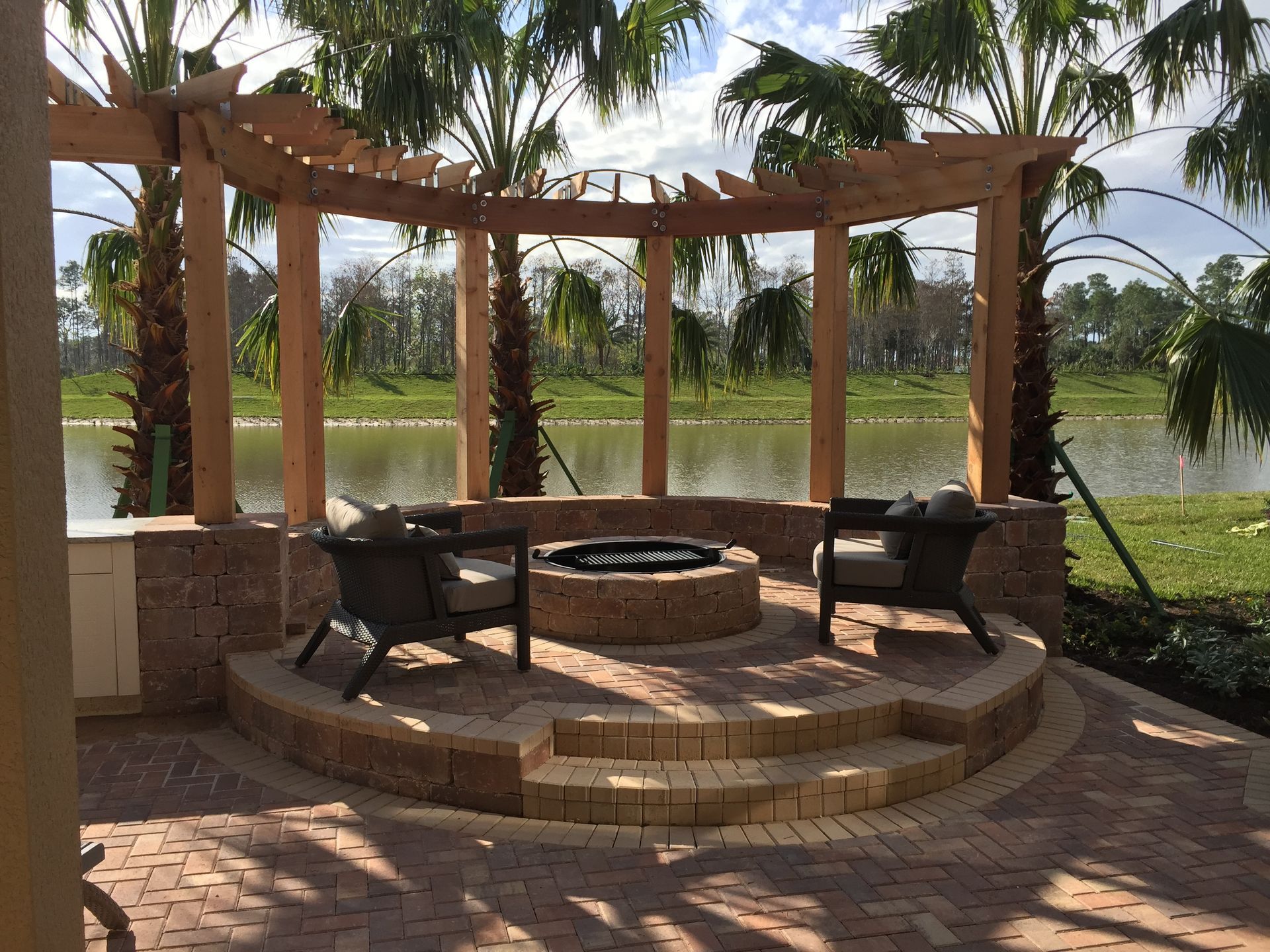
Multi-functional design principles can also transform walls into integrated seating. Setting wall cap heights creates comfortable perimeter seating around patios, outdoor kitchens, or fire pit circles without crowding the yard with extra furniture. For especially steep properties, breaking one tall, monolithic structure into several cascading tiers softens the grade, offering separate terraces for native plantings, elevated lawns, or secluded patios. Turn-key retaining wall services integrate these lifestyle accents during initial design phases, ensuring electrical conduit and seating caps merge naturally into the finished build.
Executing Maintenance Protocols: Preserving Form and Function Over Time
Even the most robustly engineered structure benefits from periodic attention to preserve its appearance and structural alignment. Routine inspections allow property owners to spot emerging issues early, before small soil shifts turn into costly rebuilds.
Homeowners should inspect weep holes and drain outlets seasonally to ensure leaves, silt, and plant roots have not blocked water flow. Clearing away accumulated debris allows moisture to escape freely during sudden downpours. It is equally important to examine the top slope above the wall for surface erosion or puddling, which can indicate that surface runoff needs to be redirected.
Vegetation control also plays a role in long-term preservation. Weeds or woody shrubs taking root inside joint sand or dry-stack crevices should be removed promptly before expanding roots dislodge individual stones. Scheduling occasional assessments with reputable retaining wall services allows specialists to check plumb alignments, verify joint integrity, and make proactive adjustments that protect your investment for decades.
A truly successful retaining barrier harmonizes structural resilience with refined design. Proper engineering—from compacted gravel footings and internal drainage networks to required structural reinforcements—ensures safety, while thoughtful materials, integrated illumination, and flowing geometries turn an engineering necessity into an architectural asset. Partnering with skilled
retaining wall services guarantees your investment withstands environmental pressures while dramatically elevating property appeal.
Ready to transform your sloped yard into a safe, picturesque outdoor living space? Reach out to Creative Hardscapes today to explore customized designs tailored to your property’s unique terrain. Schedule your consultation with our expert team to bring both enduring strength and beauty to your landscape.