By Steve Orme
November 17, 2026
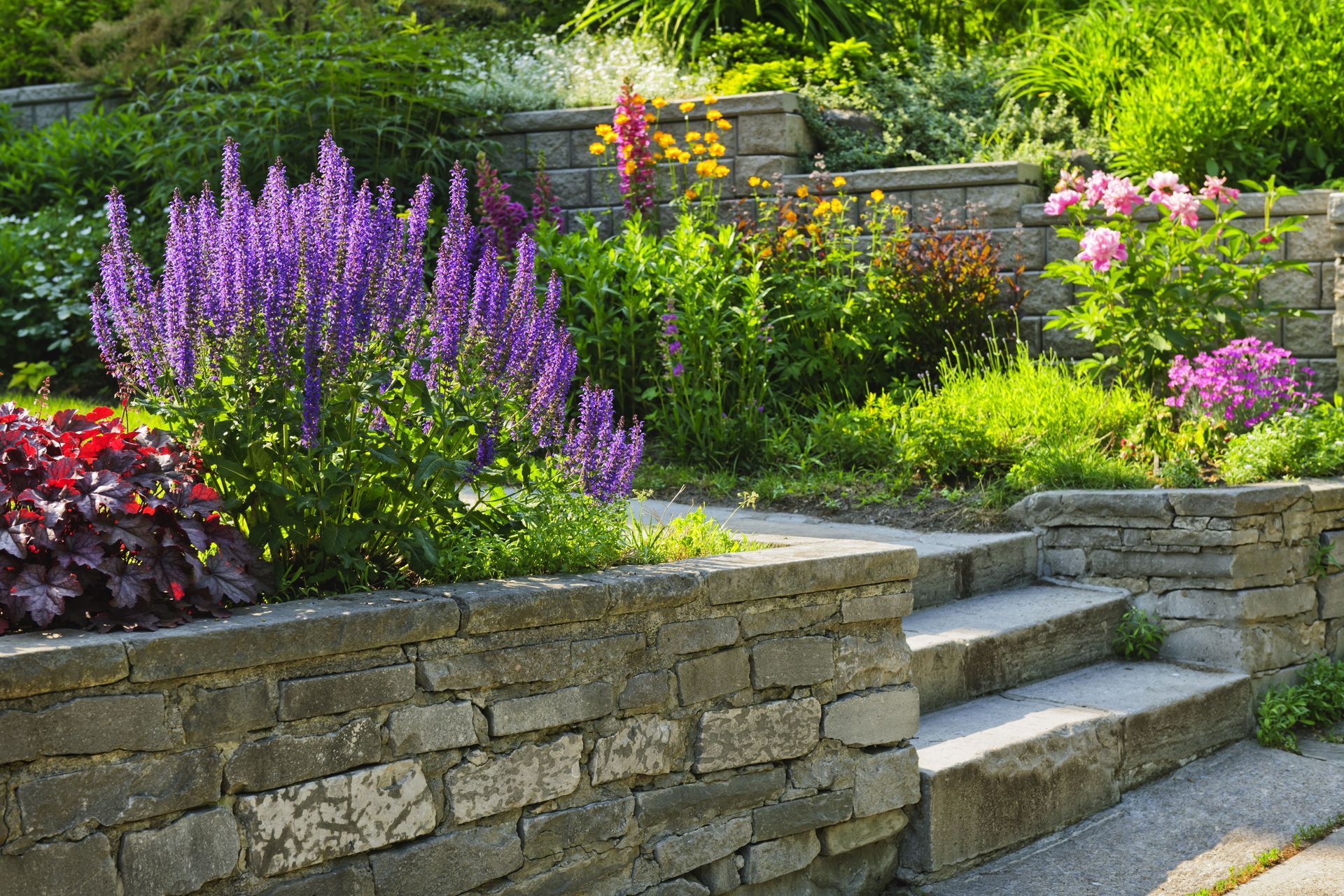
Retaining walls are pivotal structures in both landscaping and architecture. They stabilize soil and prevent erosion by keeping earth firmly in place, especially when land elevation changes across the property. Such walls can enhance the aesthetics of your property, support terraces, and create usable spaces on otherwise steep and unusable terrains. Over time, however, these structures may exhibit most subtle to quite apparent signs of wear and tear. Recognizing these indicators early can protect against costly repairs and avert potential safety risks. This article elaborates on the key signs that suggest it's time to seek professional retaining wall services.
1. Visible Cracks and Fractures
1.1 Types of Cracks to Watch For
Cracks in retaining walls come in various forms, including horizontal, vertical, and step cracks. Horizontal cracks typically indicate significant soil pressure behind the wall. Vertical cracks might suggest differential settling, while step cracks often signal structural movement or material fatigue. Identifying the type of crack early can guide the appropriate response to maintenance or repair. Each type has distinct implications for the structural integrity of your retaining wall.
1.2 Causes of Cracks
The formation of cracks can result from a variety of environmental or structural factors. Soil composition, water drainage, and weather conditions might all contribute to crack development. For instance, excessive water from poor drainage increases soil weight and pressure. Structural factors, like inadequate reinforcement, also play a crucial role. Understanding these causes is key to preventing future damage and selecting the appropriate corrective measures.
1.3 Impact on Structural Integrity
Cracks can significantly impact the stability and longevity of retaining walls. Even small fractures invite water penetration, leading to increased pressure and exacerbating existing issues. Compromised structural integrity often results in further cracks and the potential collapse of the wall over time. As with any structural element, timely intervention is crucial. Addressing cracks promptly ensures the safety and functionality of the retaining wall.
1.4 Temporary vs Permanent Solutions
When dealing with cracks, it's crucial to distinguish between temporary fixes and enduring repairs. While sealants and minor repairs offer short-term solutions, they might not address underlying causes. Comprehensive assessments often reveal the necessity for structural reinforcement or drainage improvements. Professional services can provide thorough evaluations and suggestions for a sustainable solution to prevent recurrent issues. Balancing immediate and long-term needs ensures the wall's continued reliability.
1.5 When to Consult a Professional
Determining when to seek professional help involves observing the nature and extent of the cracks. Minor or isolated cracks might only need periodic monitoring. However, extensive or worsening fractures demand expert evaluation. Professionals can assess the potential causes, recommend corrective actions, and ensure they are properly executed. Quick responses to warning signs help prevent more extensive and expensive repairs down the line.
2. Leaning or Bulging Walls
2.1 Early Signs of Leaning
Detecting subtle shifts in a wall's position is crucial to preventing significant damage. Techniques such as using a plumb line can help identify leaning early on. Tilting or bulging may initially be minimal but often indicates underlying instability. Monitoring for early signs allows for preventative measures to be implemented before severe problems arise. Regular inspections are essential to catch early indicators and act before conditions worsen.
2.2 Common Causes
Leaning or bulging can result from soil pressure discrepancies, poor construction techniques, and improper drainage. When soils retain excess moisture, they expand, exerting greater pressure on the retaining wall. Similarly, inadequate foundations or inadequate use of reinforced materials during construction can lead to instability. According to WifiTalents, structural materials such as asphalt have a high recycling rate in the U.S., making them a sustainable choice for construction projects. Recognizing these weaknesses is crucial for both initial construction and reconstruction of compromised retaining walls.
2.3 Risks Associated with Leaning Walls
Leaning walls pose significant safety concerns, with the potential for complete structural failure. Immediate risks include the collapse of the wall, which could damage surrounding property and landscape. Such failures also present hazards in terms of personal injury, especially if the retaining wall is in a public or frequented area. Addressing these risks promptly is vital. Avoiding harm to property and ensuring personal safety should remain a priority in managing leaning walls.
2.4 Corrective Measures
The solution to leaning walls often requires addressing both drainage and structural reinforcement. Drainage improvements effectively alleviate excessive moisture, reducing soil pressure against the wall. Structural modifications may be necessary, such as buttressing or installing tiebacks to counteract leaning forces. In some situations, complete reconstruction might be the best course of action. Professionals can offer expert opinions on the most suitable corrective interventions, balancing costs and effectiveness.
2.5 Role of Professional Assessment
Professional assessment offers an accurate understanding of the wall's integrity and possible solutions. Experts examine soil conditions, structural stability, and construction quality to guide repairs or replacements. This comprehensive evaluation is crucial to determine the root causes and necessary interventions. Through a professional's guidance, property owners can plan appropriate remedial actions. Intervention from experienced specialists ensures durability and reliability for future retaining wall performance.
3. Water Accumulation Issues
3.1 Identifying Drainage Problems
A key indication of drainage problems is the presence of standing water around the base of a retaining wall. Signs might include waterlogged soils, erosion marks, or algae growth on wall surfaces resulting from excess moisture. Insufficient drainage reflects an inability to direct water away effectively, potentially leading to structural damage. Observing these signs demands immediate attention to prevent further complications. Early identification allows for simpler and cost-effective solutions.
3.2 Consequences of Poor Drainage
Poor drainage significantly reduces the lifespan and performance of a retaining wall. Consistent water exposure compromises wall materials, increasing susceptibility to cracking and deterioration. Inadequate drainage can also result in increased hydrostatic pressure, exacerbating soil displacement and structural instability. Whether damaging the wall itself or the surrounding landscape, water accumulation remains a critical area of concern. Addressing drainage issues efficiently can extend the lifespan of the retaining structure.
3.3 Solutions for Controlling Water Flow
Effective drainage solutions vary depending on existing conditions, but might include installing drainage pipes, weep holes, or permeable backfill materials. French drains or grid systems provide excellent alternatives for managing water flow. Additionally, surface grading can help redirect water away from the wall to prevent repeated build-up. Experts can design customized drainage systems based on specific site challenges. Implementing such solutions proactively is significantly more cost-effective than addressing resultant wall failures.
3.4 Complexity of Water Damage Repair
Water damage repair is often a complex undertaking requiring expertise in both construction and hydraulics. Repairs might involve structural reinforcement alongside drainage modifications to mitigate future complications. Additionally, professional services offer precise assessments and can tailor solutions to suit particular site demands. Given the potential for creeping damage, prompt attention from experts becomes essential. Investing in qualified intervention ensures thorough and effective resolution to water-induced issues.
3.5 Importance of Professional Installation
Ensuring proper drainage relies heavily on expert design and construction. Professionals assess soil composition, topography, and retention needs to implement effective water management strategies. With professional involvement, you also secure the use of high-quality materials and up-to-date techniques. By optimizing drainage from inception, future maintenance needs are minimized, resulting in a longer-lasting retaining wall. Ultimately, professional design and installation represent a valuable investment in durability and reliability.
Maintaining retaining walls with diligent oversight ensures their longevity and efficacy. Recognizing key warning signs, such as cracks, leaning, erosion, and material wear, informs property owners when professional intervention is warranted. Acting promptly addresses potential issues early, minimizing repair expenses and potential safety risks. Relying on professional services extends a retaining wall’s durability, safeguarding surrounding property and its aesthetics. Investing in proper maintenance and expert evaluations should remain foundational in any landscape preservation strategy, preserving structural integrity and visual harmony alike. Be sure to reach out to Creative Hardscapes today to learn more about our professional retaining wall services!